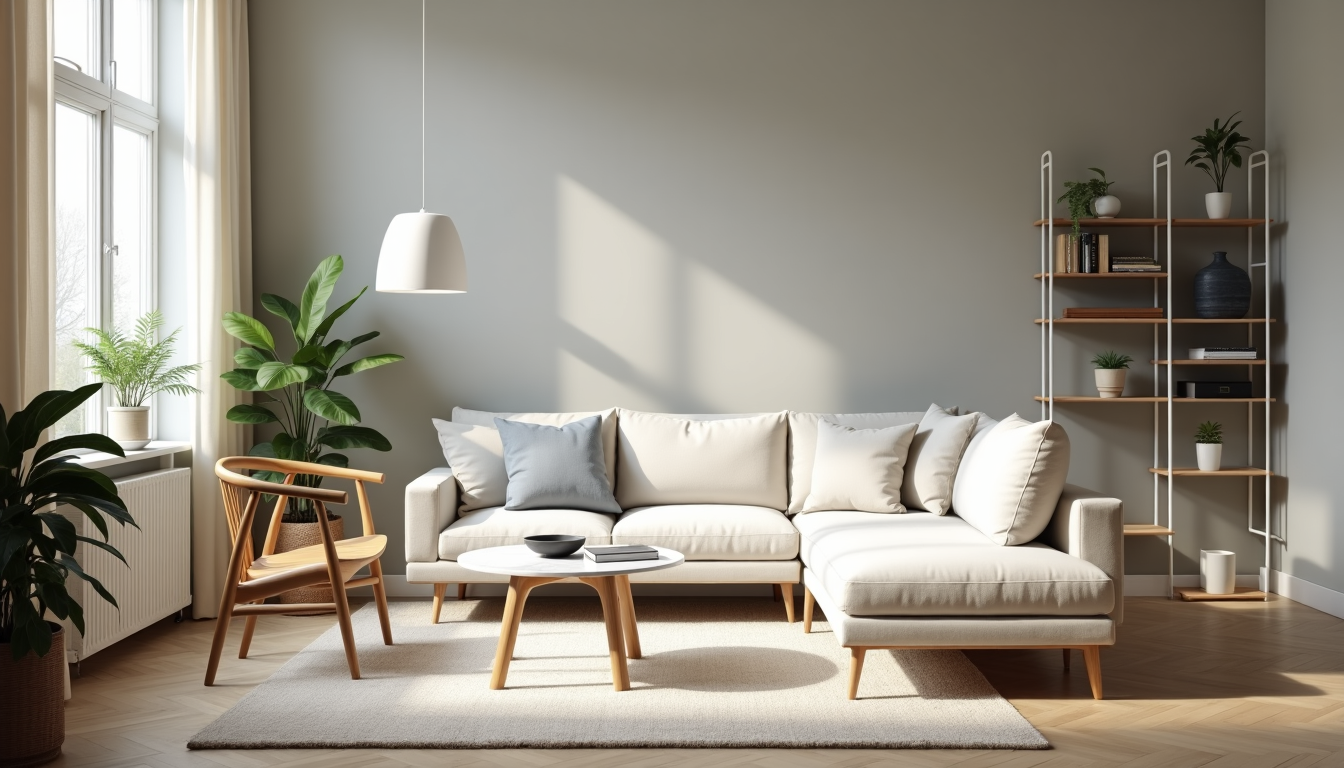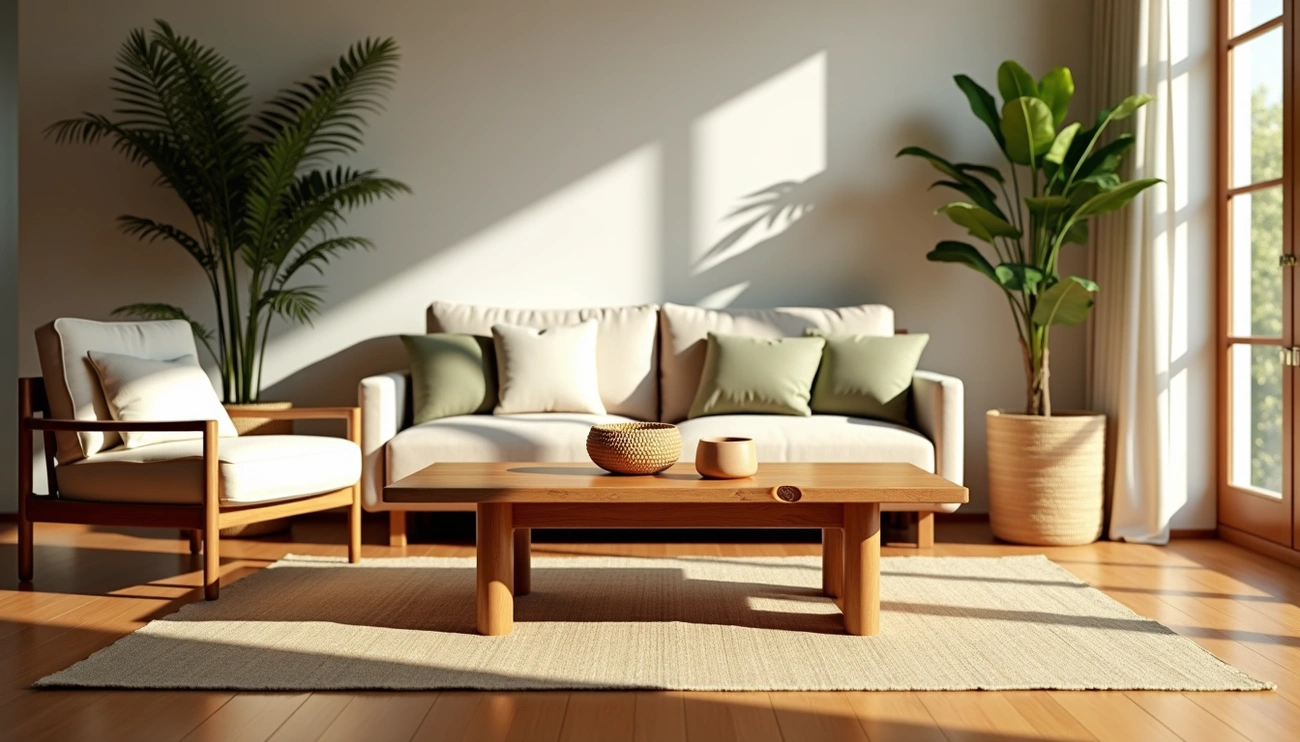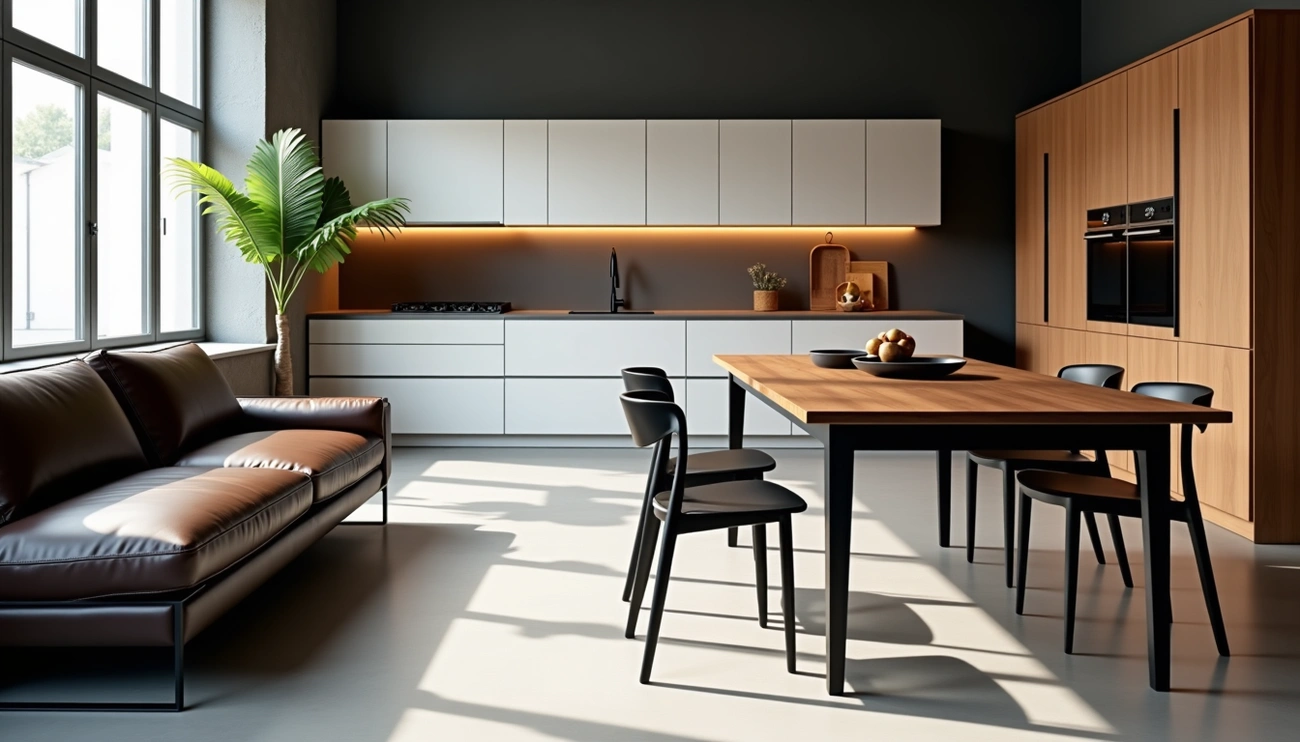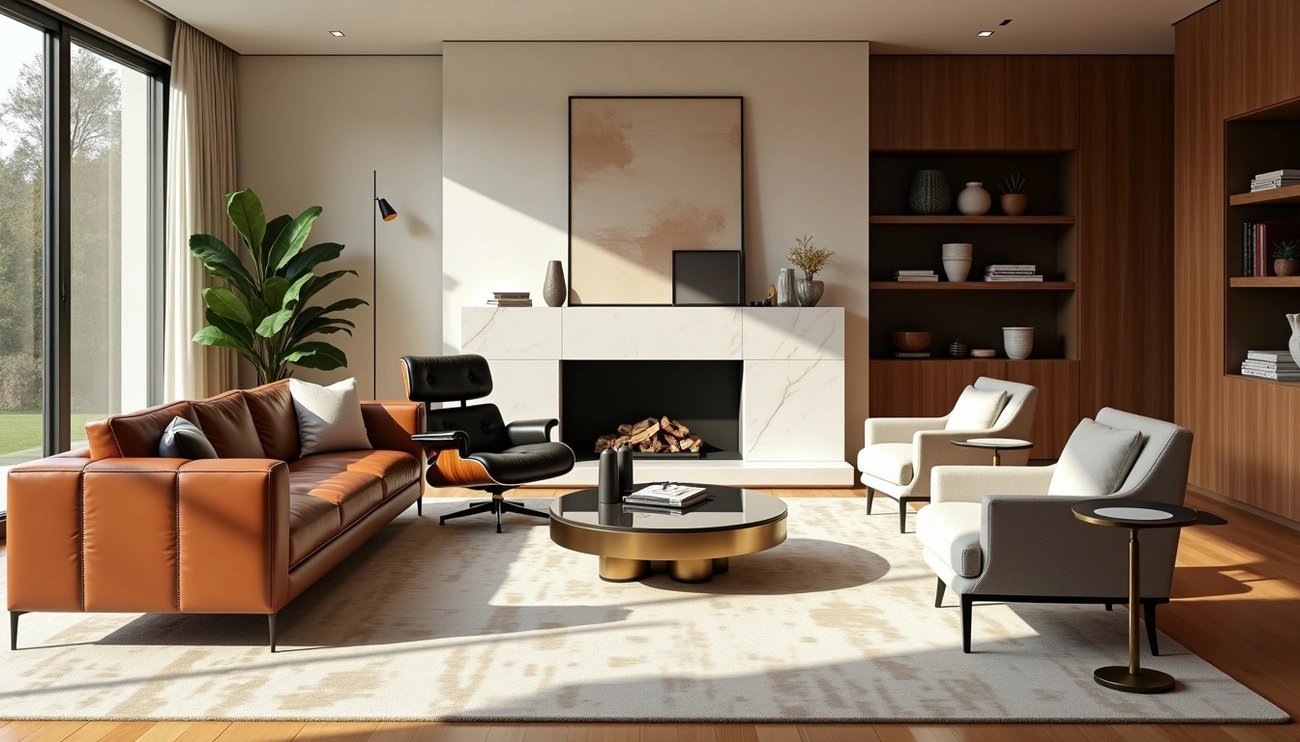
Luxury furniture brands reshape ordinary rooms into timeless spaces with exceptional craftsmanship and careful attention to detail. These masterpieces serve as more than functional objects - they become future heirlooms that set standards mass-market furniture cannot match.
Quality stands as the hallmark of high-end furniture brands, backed by their steadfast dedication. These pieces are handcrafted, customized, and made to order. The higher price tag reflects their improved durability, quality, and sustainability. Expensive furniture brands offer lasting investments that cater to every style preference, ranging from mid-century-inspired designs to eclectic, industrial, and coastal esthetics.
The most prestigious names in this industry have showed remarkable staying power and stayed relevant through the decades. Talenti serves as a prime example, earning international acclaim for its expertise in outdoor furniture design and manufacturing. The brand now has distribution across 54 countries and appears in the world's finest locations. Covet House has grown into a powerful creative resource, featuring 12 brands, more than 2000 products in a dozen categories, and over 1300 inspirations.
This piece takes a closer look at 21 distinguished luxury furniture brands by examining their unique design philosophies, signature collections, craftsmanship techniques, and value propositions. The overview covers Italian luxury furniture brands known for sophisticated craftsmanship and high-end furniture stores of all types, giving readers a complete picture of the finest options available today.
Roche Bobois
Roche Bobois leads the world in furniture design and distribution. The brand showcases its French identity and works closely with luxury furniture creators. Founded in 1960, they've built strong partnerships with renowned designers from all backgrounds.
Roche Bobois design philosophy
The brand brings French art de vivre (the art of living) to life. They create pieces that mix cutting-edge looks with everyday use. The brand "writes a new chapter in a story that continues to show a contemporary vision of French art de vivre". Their designs focus on making pieces that have "strong identity, silhouette and graphic strength that you can readily identify". They also take green practices seriously in their manufacturing process.
Roche Bobois signature collections
Some iconic pieces define Roche Bobois's identity. The Mah Jong sofa, created by Hans Hopfer in 1971, lets you arrange it any way you want. It's now the perfect example of how flexible their furniture can be. The Bubble sofa by Sacha Lakic shows off "innovative fabric perfectly embracing padded, almost voluptuous lines". It proves what the brand can do technically. Their newer pieces include the Love sofa by Sacha Lakic, which they "shaped like a large comma in a contemporary nod to the era of peace and love".
Roche Bobois craftsmanship and materials
Small European workshops make all Roche Bobois pieces with "a high level of customisation". Quality starts with picking the best materials - top-notch fabrics, leather, and sustainable wood. They've created their own materials too, like TECHNO® fabric for the Bubble collection. This shows how much they care about pushing material boundaries.
Roche Bobois customization options
Making pieces unique is the life-blood of what Roche Bobois does. "Almost all Roche Bobois products can be customized, and are available in a wide range of materials, colors and sizes". Their digital tools help you see changes right away in "photo-realistic quality". Design experts guide you through every step of picking your perfect piece.
Roche Bobois pricing and value
Roche Bobois sits at the top of the luxury market. Their exclusive pieces cost quite a bit, but prices change between collections. People pay for furniture that lasts, looks unique, and shows expert craftsmanship. With 265 showrooms worldwide, they've proven their worth to luxury furniture buyers everywhere.
Minotti
Minotti started as a small artisanal workshop in the Italian town of Meda in 1948. The company has made remarkable progress to become an ambassador of contemporary "Made in Italy" furniture design worldwide.
Minotti design philosophy
Minotti's identity centers on what they call the "Minotti Code" – a distinctive approach based on esthetic understatement, timeless elegance, and traditional continuity. The brand skillfully balances logic with creativity. Their furniture pieces showcase millimeter precision and feature rich tactile elements through supple leathers and soft fabrics. Architect Rodolfo Dordoni has served as Artistic Director since 1997, helping create Minotti's unique design language that seamlessly combines state-of-the-art features with tradition.
Minotti signature pieces
Minotti's Hamilton seating system stands out as one of their most iconic creations. This system transformed modular sofas with its minimal linear design and distinctive metal base. The Roger seating system shows amazing versatility through three elements – Roger Suite, Roger Spring, and Roger Sofà. These pieces allow endless configurations for homes and hospitality spaces. The White sofa brought a unique architecture defined by overlapping horizontal lines that repeat throughout the design.
Minotti craftsmanship and materials
Each Minotti piece represents perfect harmony between expert craftsmanship and advanced production technologies. Their couture-like expertise shines through graphic quilting effects along backrests and seating elements that create luxuriously soft surfaces. The brand's attention to detail extends to premium material selection – from high-quality leathers to exclusive fabrics.
Minotti customization options
Minotti provides extensive personalization options throughout their collections. The Roger system, to name just one example, lets clients customize with high or low backrests, various armrest styles, and additional functional elements. Clients can choose from an evolving textile collection that features sophisticated textures and structured weaves.
Minotti pricing and value
Minotti's prices reflect their exceptional craftsmanship quality. Pieces typically start below $1,000 and can reach beyond $10,000 for select designs. The brand maintains a strong international presence in 80 countries through 64 flagship stores and more than 300 qualified dealers worldwide. This extensive network shows their global appeal among discerning luxury furniture buyers.
Cassina
Cassina began its journey in Meda, Italy in 1927. The company became a trailblazer of industrial design during the 1950s when it moved from handcrafted pieces to mass production.
Cassina design philosophy
The brand blends memory, research, and state-of-the-art ideas with traditional skills and improved productivity. Cassina's design approach, known as "The Cassina Perspective," creates harmonious interior solutions that combine advanced products with iconic Modern Movement designs. Their dedication to research leads to furniture that showcases Italian manufacturing excellence.
Cassina iconic collections
The remarkable Cassina iMaestri Collection made its debut in 1973. It breathes new life into classic designs while staying true to their original spirit. The collection grew larger in 2023 to mark its 50th year by adding works from Vico Magistretti, Gio Ponti, Carlo Scarpa, and Charles and Ray Eames. Each masterpiece tells a unique story of design history and brings timeless elegance.
Cassina craftsmanship and materials
The heart of Cassina lies in its craftsmanship, especially in their carpentry workshop. Skilled artisans cut, carve, and shape wood without using screws or nails. The production merges careful handwork with advanced technology to create refined, long-lasting pieces.
Cassina sustainability practices
Cassina LAB champions green design principles through recycled materials and products that are easy to take apart. The brand showed its steadfast dedication to environmental care by recycling or recovering 95% of waste in 2024.
Cassina pricing and value
Quality comes at a price with Cassina. Armchair prices start at €3,000, while special pieces can cost more than €8,000. The brand's luxury status shines through its 47 exclusive stores in Asia, Europe, and the United States.
Fendi Casa
Fendi Casa was born in 1988 through a partnership between Anna Fendi and Alberto Vignatelli. This luxury furniture brand extends the famous fashion house's esthetics into interior design. The brand combines contemporary design with timeless elegance.
Fendi Casa design inspiration
Roman architectural elements shape the brand's design philosophy. Fendi's headquarters, the Palazzo della Civiltà Italiana's arches, stand out as a major influence. These distinctive arches appear in their furniture designs and create a unique visual signature. The brand's esthetic approach splits into four different "moods": The Family Couch, The Vibrant Soul, The Crafting Mood, and The Outdoor. Each mood shows a different side of Fendi's design language.
Fendi Casa signature collections
The Ambienta Cucina kitchen line stands out among their collections. It features three interchangeable styles—Villa Giulia, Villa Livia, and Villa Ada. Each kitchen design has its own character. Villa Giulia showcases glass cabinet fronts. Villa Livia combines ebony-lined islands with chocolate-lacquer cabinets. Villa Ada displays glossy mother-of-pearl finishes. The brand's other pieces feature Karl Lagerfeld's iconic FF logo and Pequin striped motif.
Fendi Casa craftsmanship and materials
The brand's foundation lies in savoir-faire tradition. Italian artisans work with premium materials like top-quality leather, wood, and fabric. The Selleria stitch shows their attention to detail. Each stitch is hand-crafted and often features a signature silver plaque.
Fendi Casa customization options
Fendi Casa provides detailed custom options. Customers can choose from bespoke furniture pieces or complete interior design services. The core team manages the design process from concept to execution and delivers expandable solutions.
Fendi Casa pricing and exclusivity
Fendi Casa ranks among the most exclusive furniture brands. Their pieces are a serious investment. Prices start at $1,680 and can go up to $30,000. Most items cost around $5,116.
B&B Italia
B&B Italia changed furniture manufacturing forever after Piero Ambrogio Busnelli founded the company in 1966. His revolutionary polyurethane foam technology reshaped the entire industry.
B&B Italia design legacy
The brand started as C&B Italia through a partnership with Cesare Cassina. It quickly became a visionary force in Italian furniture. The company's headquarters, designed in part by Richard Rogers and Lorenzo Piano before their Pompidou Center project, showcases their innovative mindset. Giorgio Busnelli now leads the brand and stays true to his father's philosophy of curiosity and accepting new ideas.
B&B Italia iconic pieces
The brand's most celebrated designs tell an amazing story. Gaetano Pesce's Serie Up (1969) features anthropomorphic forms that arrive vacuum-packed. Mario Bellini created the cushion-inspired Le Bambole (1972). Antonio Citterio's Charles sofa (1997) introduced a new furniture archetype with its cast-metal feet placement. On top of that, Patricia Urquiola's Husk chair (2011) and Zaha Hadid's curvilinear Moon System sofa demonstrate the brand's creative partnerships.
B&B Italia material innovation
The manufacturing process uses metal frames placed in molds before foam injection—a technique Busnelli found while watching rubber duck production. The R&D center now focuses on sustainability. They develop methods to separate materials for recycling and create lighter furniture.
B&B Italia customization process
The Miami flagship store features the "Tailor's Room" where clients can see their custom designs while exploring material samples. One executive noted, "Most people think when they order a piece from us that it's just sitting on a shelf in Northern Italy, which it's absolutely not."
B&B Italia pricing and value
B&B Italia generates a €180 million turnover and represents a major investment, though prices vary by collection. The brand's worldwide presence confirms its place among luxury furniture's elite names.
Poltrona Frau
Poltrona Frau has defined Italian luxury furniture since 1912. The company's exceptional leather craftsmanship and meticulous attention to material quality and artisanal techniques set it apart.
Poltrona Frau leather expertise
The company pioneered "Leathership®," a proprietary leather tanning process that includes 21 processing stages. Raw materials become the exclusive Pelle Frau® leather through this process. Quality standards remain very selective—only 10 out of every 100 hides pass their quality tests. Poltrona Frau introduced Pelle Frau® Impact Less in 2022, a chrome-free leather that ended up with 10% reduced CO2 emissions during tanning, which are offset completely.
Poltrona Frau iconic designs
The Vanity Fair armchair stands as the brand's signature piece. Each chair needs 21 hours of work, 9 square meters of leather, and 275 leather-covered nails. The classic Chester sofa showcases the brand's steadfast dedication to traditional craftsmanship while maintaining a contemporary feel through its distinctive capitonné technique.
Poltrona Frau craftsmanship process
The brand's savoir-faire embodies what they call "Intelligence of the Hands"—a unique blend of thought, design, skill, and precision passed down from master to apprentice. Master craftsmen cut and assemble each piece with exceptional care to achieve excellence.
Poltrona Frau sustainability initiatives
The Tolentino headquarters houses a 1.4-megawatt photovoltaic plant with 18,000 modules. This facility produces about 1.68 million kWh yearly and saves 1176 tons of CO2. On top of that, their "Zero Waste" project ensures everything gets used through separate waste collection throughout the facility.
Poltrona Frau pricing and longevity
The company's economic value reached €258 million in 2023, showing an 8% increase from 2022. Their directly distributed economic value grew by 10% compared to the previous year, which shows their strong position in the high-end furniture market.
Knoll
Founded in 1938, Knoll has managed to keep its place among high-end furniture brands by staying loyal to the Bauhaus design philosophy. Their modern furniture complements architectural space rather than competing with it.
Knoll design heritage
Hans Knoll, son of a successful German furniture manufacturer, brought his modernist vision to America. His wife Florence, an architect trained at Cranbrook—the epicenter of American modernism—changed interior design forever with her "Total Design" approach. This philosophy celebrated how architecture, furniture, and people work together, which made Knoll a pioneer in blending modernist ideals with practical design.
Knoll iconic collaborations
Knoll's partnerships with legendary designers like Ludwig Mies van der Rohe, Marcel Breuer, and Harry Bertoia have shaped its legacy. The brand exclusively manufactures Mies van der Rohe's furniture, including his iconic Barcelona chair from the 1929 Barcelona Pavilion. The Museum of Modern Art's permanent collection now features more than 40 Knoll designs.
Knoll materials and construction
Knoll chooses premium materials based on more than just looks, using FSC-certified woods like walnut and teak. Each piece goes through strict quality control and advanced finishing technologies that ensure lasting durability. Their furniture rarely needs replacement, as seen in collections like Harry Bertoia's wire chair series, which still uses his original hand-bending technique.
Knoll sustainability practices
Knoll's commitment to green practices spans nearly 40 years. The company reduces its environmental effect through responsible design and manufacturing. Their manufacturing facilities worldwide have earned ISO 14001 certification, which demands continuous improvement in environmental performance. The company took another step forward in 2019 when over 20 product collections received Declare labels from the International Living Future Institute.
Knoll pricing and investment value
Knoll furniture comes at different price points but holds its resale value well, which makes financial sense long-term. The quality, iconic status, and durability of their pieces make them a smart investment for homes and offices alike.
Herman Miller
Herman Miller has set standards in ergonomic furniture design for more than a century. Their meticulous research and state-of-the-art human-centered design balances form with functionality.
Herman Miller design state-of-the-art
The company solves human problems through scientific research rather than following trends. Their designs come from detailed studies in biomechanics that anticipate users' needs. The brand's legacy has collaborations with groundbreaking designers like Charles and Ray Eames. These designers championed development over revolution and continuously improved previous designs instead of creating entirely new concepts.
Herman Miller ergonomic excellence
Herman Miller's chairs come from detailed research in ergonomics and biomechanics. They support natural body postures and reduce strain on muscles and joints. The designs have adjustable components like lumbar support, armrests, and seat depth. Users can customize their seating experience. This scientific approach prevents long-term health problems while improving comfort and productivity during extended use.
Herman Miller iconic pieces
The Aeron Chair, introduced in 1994, revolutionized office seating by eliminating traditional foam and fabric. The brand's other notable pieces include the Eames Lounge Chair (1956) and Molded Plywood Chair. Time Magazine described the latter as the "best design of the century." The Embody Chair showcases their pixelated support technology.
Herman Miller sustainability efforts
The brand shows steadfast dedication to environmental stewardship. Herman Miller became the first furniture company to achieve 100% renewable electricity through green energy purchases and certificates. They help develop ocean-bound plastic supply chains as founding members of the NextWave Plastics consortium. These materials now appear in products like the Aeron Chair.
Herman Miller pricing and warranty
Herman Miller backs their quality with a detailed 12-year warranty. The coverage extends to electrical components, casters, pneumatic cylinders, and moving mechanisms. Their warranty has parts, labor, and service costs for products bought in the US and Canada. The products represent substantial investments, but their durability and timeless design create lasting value.
Ligne Roset
Ligne Roset's family legacy stretches back to 1860. The company crafts furniture near the Rhône river and proudly upholds its "Made in France" commitment through five factories in the Ain, Rhône, and Isère regions.
Ligne Roset design philosophy
Modern design and creativity are at Ligne Roset's core. Their family ownership gives them more freedom to invent and take risks than shareholder-driven companies. They skillfully blend inspiration from their archives with lifestyle innovations that meet future needs. This creates what they call a "virtuous circle" of design progress.
Ligne Roset signature pieces
Michel Ducaroy's iconic Togo sofa from 1973 remains their most celebrated piece. People were skeptical at first—it had no feet and broke traditional design rules—yet it became a mid-century classic. The collection features other remarkable pieces too. Christian Werner's Prado sofa offers modular versatility, while Ronan and Erwan Bouroullec's Ploum sofa showcases fluid, organic shapes.
Ligne Roset craftsmanship and materials
Skilled artisans handle almost all manufacturing at Ligne Roset by hand. Their upholsterers complete intensive year-long training to become skilled at precise movements and gain necessary dexterity. Each craftsperson develops their unique style. Experts can identify individual upholsterers' work by scrutinizing finished pieces.
Ligne Roset sustainability practices
Environmental responsibility has guided the company since the 1970s. Their facilities now recycle 56% of upholstery waste and 92% of cabinetry waste. They installed an innovative ventilation system in 1998 that uses wood scraps to heat their factories.
Ligne Roset pricing and value
Ligne Roset positions itself as a high-end brand with prices that reflect this status. Costs vary among collections and retailers.
Molteni&C
Angelo Molteni's passion for quality transformed Molteni&C from a small furniture workshop in 1934 into one of Italy's leading luxury furniture brands.
Molteni&C heritage and evolution
Molteni&C started as a craftsman's enterprise. The company went through a dramatic change in 1968 and moved from classical to modern furniture design in just eight months. This growth led to the creation of a multinational group that includes four specialized brands: Molteni&C (home furniture), Unifor (office furniture), Dada (kitchen furniture), and Citterio (office furniture).
Molteni&C signature collections
The Heritage Collection remains Molteni&C's crown jewel that preserves iconic designs for future generations. This innovative collection showcases reproductions of Gio Ponti's work. The D.154.2 armchair earned the prestigious 2024 Compasso d'Oro Career Award. Their Indoor Collection brings together designers from different eras to create an integrated home concept.
Molteni&C craftsmanship details
Each Molteni&C piece showcases 100% Italian craftsmanship combined with innovative technology. The company's production philosophy strikes a perfect balance between artisanal tradition and industrial innovation. Quality standards remain exceptional from material selection to final assembly.
Molteni&C customization options
Creative director Vincent Van Duysen's Gliss Master system lets customers personalize every detail, from materials to interior layouts. This flexibility extends to all collections, offering custom solutions for living spaces.
Molteni&C pricing and value
Molteni&C operates through 700 retail stores in 80 countries. The brand's investment value comes from its lasting quality and design excellence.
Flexform
A family tradition spanning three generations started 64 years ago in Italy's Brianza furniture district. Flexform specializes in crafting high-quality sofas and armchairs that blend comfort with beautiful design.
Flexform design philosophy
Flexform masterfully balances craftsmanship with new breakthroughs to create furniture that bridges contemporary and timeless design. Antonio Citterio has worked together with the brand for nearly four decades and designed many of their signature pieces. Their design essence remains understated and elegant—"like a blue blazer in the world of fashion: simple, deconstructed, and refined".
Flexform comfort engineering
Meticulous comfort engineering drives the brand's reputation. Their innovative designs use five different types of polyurethane stiffness in a single chair. The Groundpiece sofa, created in 2001, remains one of their bestsellers and transformed seating by extending seat depth from 97cm to 120cm.
Flexform material selection
Natural fabrics shape Flexform's collection. Their pieces feature linen, cotton, and cashmere in neutral tones. The brand uses only Assopiuma Gold Certified goose down to ensure premium cushion quality.
Flexform sustainability practices
Eco-friendly practices at Flexform center on product durability. The brand sources materials locally to cut transportation emissions and reduce their environmental footprint during production.
Flexform pricing and longevity
The brand reaches customers in over 90 countries through 22 flagship stores and 100 shops. Flexform's pieces require significant investment but offer extraordinary durability—they create furniture for daily life rather than passing trends.
Ralph Lauren Home
Ralph Lauren made history in 1983 as the first fashion designer to launch a detailed home furnishings line. This bold move created a distinctive brand that shaped luxury interior design.
Ralph Lauren Home design style
The Ralph Lauren esthetic stands unmistakable with its blend of rustic Western style, British-inspired stately charm, and contemporary elegance. "Ralph Lauren is just about as timeless as it gets," says interior designer Kathy Kuo. The brand features an upscale color palette that showcases hunter green, navy blue, and burgundy among dark wood elements and burnished metallic accents. This creates rich, layered interiors that echo both American heritage and British aristocracy.
Ralph Lauren Home signature collections
The brand's collections tell cohesive design stories, from the iconic Log Cabin Collection to the Modern Equestrian lifestyle series. Their Modern Penthouse collection showcases sleek silhouettes in rosewood, black lacquer, polished steel, and channeled leather. The collection's standout pieces include the Pryce occasional chair and the Parker dining chair, which draws its inspiration from the channeled leather seats of the 1955 Mercedes Benz 300 SL.
Ralph Lauren Home craftsmanship
Italian craftsmen create many pieces, though several items remain American-made to keep the brand's status as an American luxury staple. Theodore Alexander's North Carolina plant produces their upholstery, which shows exceptional detail with hand-tied springs that ensure lasting comfort.
Ralph Lauren Home materials and finishes
Premium materials define the brand's quality:
Mahogany and burl wood for case goods
Belgian linens in various weights and neutral palettes
Cotton and linen velvets from Italy in both neutrals and jewel tones
Fine leather with meticulous stitching details
Ralph Lauren Home pricing and value
The brand's pieces range from USD 225 to USD 19,995, with average items priced around USD 3,100. Their value comes from durability—pieces that last up to 20 years—and a timeless esthetic that surpasses trends.
Restoration Hardware (RH)
RH transformed from a traditional hardware store to a luxury lifestyle brand in 2010. The company adopted a sophisticated gallery-style approach to furniture retail.
RH design development
CEO Gary Friedman's vision pushed RH dramatically upmarket to stand out from competitors like Pottery Barn. The brand created immersive "Design Galleries" in architecturally significant buildings. Their Atlanta gallery spans 70,000 square feet and features a 50-foot infinity pool. RH takes a unique approach by employing just one full-time designer. They prefer to "curate" works from artists and designers they admire.
RH signature collections
RH's portfolio covers various lifestyles through specialized lines. RH Modern showcases contemporary designs with clean lines, while RH Outdoor specializes in high-end exterior furnishings. RH Baby & Child and Teen create elegant spaces for younger family members. The brand launched Small Spaces collections in 2012 to accommodate compact living environments. Objects of Curiosity followed in 2013 with unique décor and artifacts.
RH material sourcing
RH sourced 40% of products from China in 2017, which decreased to 35% in 2018. The company planned to reduce this further to 25-30% by 2019. Their market position and mutually beneficial alliances with vendors help them alleviate supply chain challenges through pricing flexibility.
RH membership program
RH replaced traditional sales with its Membership program (Gray Card). Members pay a $100 annual fee to receive 25% savings on full-priced items year-round. This approach eliminated promotional cycles and simplified pricing while improving profitability.
RH pricing and customization
RH Interior Design provides complete services with individual-specific assistance. Services include selection guidance, floor plans, 3D renderings, and specialized architecture consultation. Members who spend at least $300,000 on RH furnishings receive these services without charge.
Vitra
Swiss-based Vitra, 73 years old, ranks among luxury furniture brands that value longevity over trendy styling.
Vitra design legacy
The Fehlbaums' 1953 trip to New York changed everything when they discovered Charles and Ray Eames' designs. They secured European manufacturing rights, which laid the groundwork for their future design empire. Rolf Fehlbaum took the helm in 1977 and expanded Vitra's vision beyond manufacturing. The company managed to keep strong bonds with designers and their families over decades.
Vitra iconic pieces
The groundbreaking Panton Chair made history in 1967 as the first all-plastic cantilever chair. The company's collection has pieces from Jean Prouvé and George Nelson that represent design history through careful updates. Each authentic classic gets occasional updates that follow strict authenticity principles and close work with designers' families.
Vitra craftsmanship and materials
Quality production demands rigorous testing. A simple color change requires over 2,000 hours of light resistance evaluation. Designer Hella Jongerius developed Vitra's detailed Color & Material Library.
Vitra sustainability commitment
The brand's environmental focus centers on durability through products that last decades. Their circular economy approach has refurbishment services and Circle Stores where used furniture finds new homes.
Vitra pricing and collectibility
Notwithstanding that, the real value shows when you think over lifetime use. Regular chairs need replacement after fifteen years. Vitra classics offer better durability with replaceable parts, which ended up providing superior long-term value.
Christopher Guy
Christopher Guy Harrison, born in Britain, created a unique furniture design approach that surpasses traditional boundaries between modern and classical esthetics. His international upbringing and global influences shaped his design philosophy of "elegance with edge."
Christopher Guy design inspiration
The glamorous lifestyle of the South of France sparked Christopher Guy's initial inspiration. He found creative stimulus in a variety of cultural elements. Old Hollywood glamor and the feminine form caught his attention and became recurring themes in his collections. These elements evolved into furnishings that perfectly balance sophistication with contemporary sensibility.
Christopher Guy signature elements
The trademarked Chris-Cross leg stands out as Christopher Guy's most distinctive feature. This crossed design mirrors a ballerina's pose. His other signature elements include hand-carved knots, the Silk-cut, and the fluted "Cala lily" motif. Each piece showcases refined elegance with meticulous attention to detail.
Christopher Guy craftsmanship
Christopher Guy pieces come to life in expansive ateliers in Java, Indonesia, where skilled artisans create them by hand. These impressive workshops span over one million square feet and employ about 2,000 craftspeople. Expert carvers, upholsterers, gilders, and mosaicists bring each design to life with precision.
Christopher Guy bespoke services
Customers can choose from extensive customization options for size, finish, and fabric selections. The brand welcomes special orders with completely custom specifications.
Christopher Guy pricing and collectibility
Christopher Guy stands at the vanguard of the luxury furnishings market. Their pieces earn recognition for exceptional durability and heirloom quality.
Comparison Table
Brand | Founded/Origin | Design Focus | Notable Collections/Pieces | Manufacturing Approach | Sustainability Initiatives |
Roche Bobois | 1960, France | French art de vivre, modern esthetics | Mah Jong sofa, Bubble sofa | Small European workshops, custom designs | Eco-friendly manufacturing |
Minotti | 1948, Italy | Subtle esthetics, timeless elegance | Hamilton seating system, Roger system | Blend of craftsmanship and technology | Not mentioned |
Cassina | 1927, Italy | Heritage, research, state-of-the-art | iMaestri Collection | Carpentry workshop, skilled crafting with technology | 95% waste recycled or recovered |
Fendi Casa | 1988, Italy | Roman architectural elements | Ambienta Cucina kitchen line | Italian artisan crafting | Not mentioned |
B&B Italia | 1966, Italy | Modern vision, advanced technology | Serie Up, Le Bambole, Charles sofa | Polyurethane foam technology | R&D focus on recyclable materials |
Poltrona Frau | 1912, Italy | Leather expertise | Vanity Fair armchair, Chester sofa | 21-stage leather processing | Zero Waste project, solar power facility |
Knoll | 1938, USA | Bauhaus philosophy | Barcelona chair | Premium materials, FSC-certified woods | ISO 14001 certified facilities |
Herman Miller | Early 1900s, USA | Ergonomic excellence | Aeron Chair, Eames Lounge Chair | Research-based design | 100% renewable electricity |
Ligne Roset | 1860, France | Creative modern designs | Togo sofa (1973) | Handcrafted pieces, expert training | 56% upholstery waste recycled |
Molteni&C | 1934, Italy | Modern design | Heritage Collection | Italian craftsmanship | Not mentioned |
Flexform | 1959, Italy | Refined elegance | Groundpiece sofa | Natural fabrics, local materials | Focus on product durability |
Ralph Lauren Home | 1983, USA | American heritage, British luxury | Modern Penthouse collection | Italian and American crafting | Not mentioned |
RH | Rebranded 2010 | Gallery-style luxury | RH Modern, RH Outdoor | Global sourcing | Not mentioned |
Vitra | 1950, Switzerland | Design heritage preservation | Panton Chair | Thorough testing processes | Circle Stores for product recycling |
Christopher Guy | Modern era | "Elegance with edge" | Chris-Cross leg designs | Handmade in Java, Indonesia | Not mentioned |
Conclusion
The perfect luxury furniture demands a careful look at craftsmanship, design philosophy, and material quality. Each brand we discuss in this piece shows exceptional detail while carving out its own identity in the competitive luxury market. These prestigious manufacturers share the same dedication to durability, esthetic excellence, and timeless appeal, though their styles range from Herman Miller's state-of-the-art modernism to Poltrona Frau's classic Italian elegance.
Material choices stand out as a vital aspect among all these brands. These companies raise furniture beyond basic function into artistic expression. Poltrona Frau's 21-stage leather processing, Flexform's exclusive Assopiuma Gold Certified goose down, and Vitra's extensive color testing protocols are prime examples.
Family heritage without doubt shapes many of these distinguished names. Molteni&C, Ligne Roset, and Flexform's multi-generational traditions honor craftsmanship while welcoming state-of-the-art designs. Pioneers like Knoll and Herman Miller have reshaped the scene of office environments through ergonomic research and green practices.
Luxury furniture becomes a long-term investment rather than a disposable purchase, despite price differences. These pieces will last decades thanks to their hand-carved details, proprietary manufacturing techniques, and superior materials. On top of that, many brands now combine quality commitments with sustainability initiatives that address growing environmental concerns without compromising design standards.
Styles range from minimalist Scandinavian esthetics to opulent traditional designs. This variety helps customers find pieces that match their personal spaces and lifestyles perfectly. These twenty-one brands represent furniture craftsmanship at its finest, where functionality meets artistry. They create spaces that exceed passing trends and become truly timeless environments.
Explore these brands in our directory
See full profiles — headquarters, founding year, notable designs and FAQs — for brands featured in this guide: Roche Bobois, Minotti, Cassina, B&B Italia, Poltrona Frau, Natuzzi, Ligne Roset.
Related guides
Continue reading: 21 Classic Italian Furniture Brands and 13 Italian Luxury Furniture Brands.