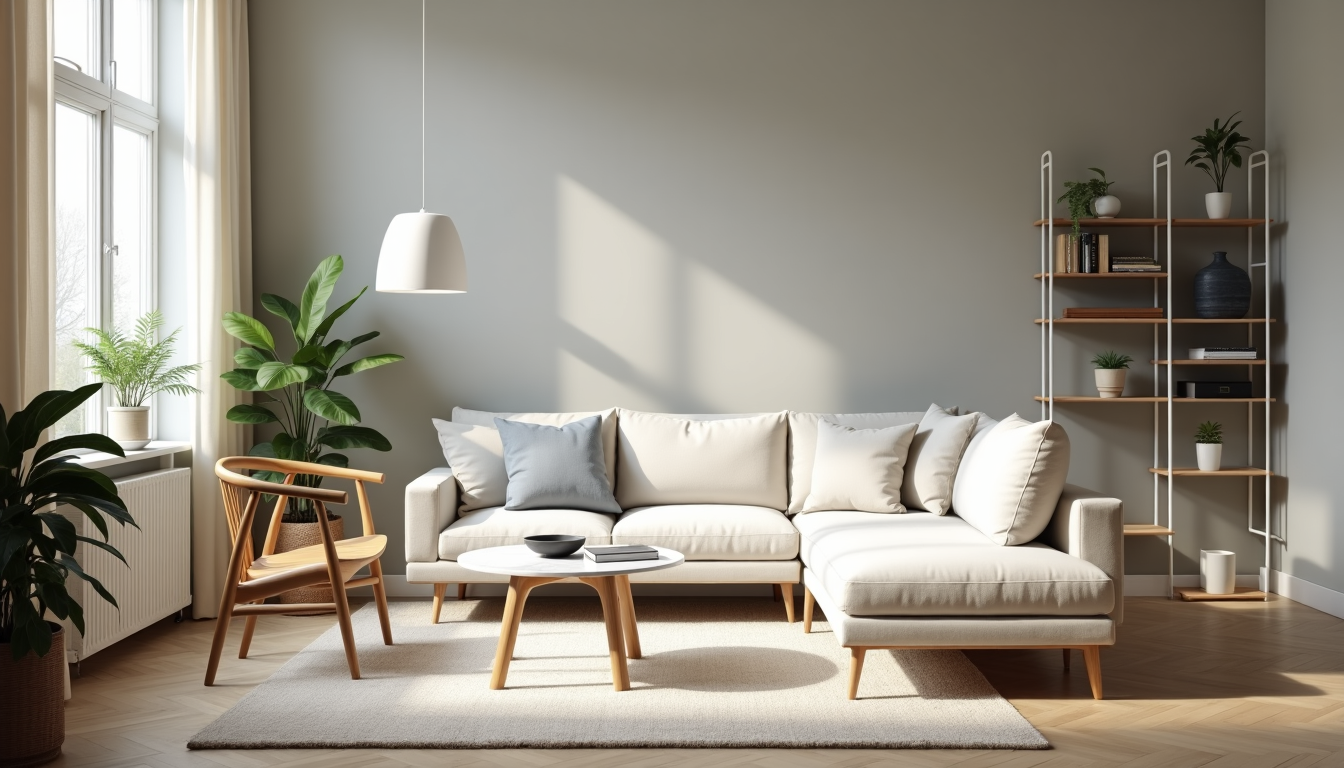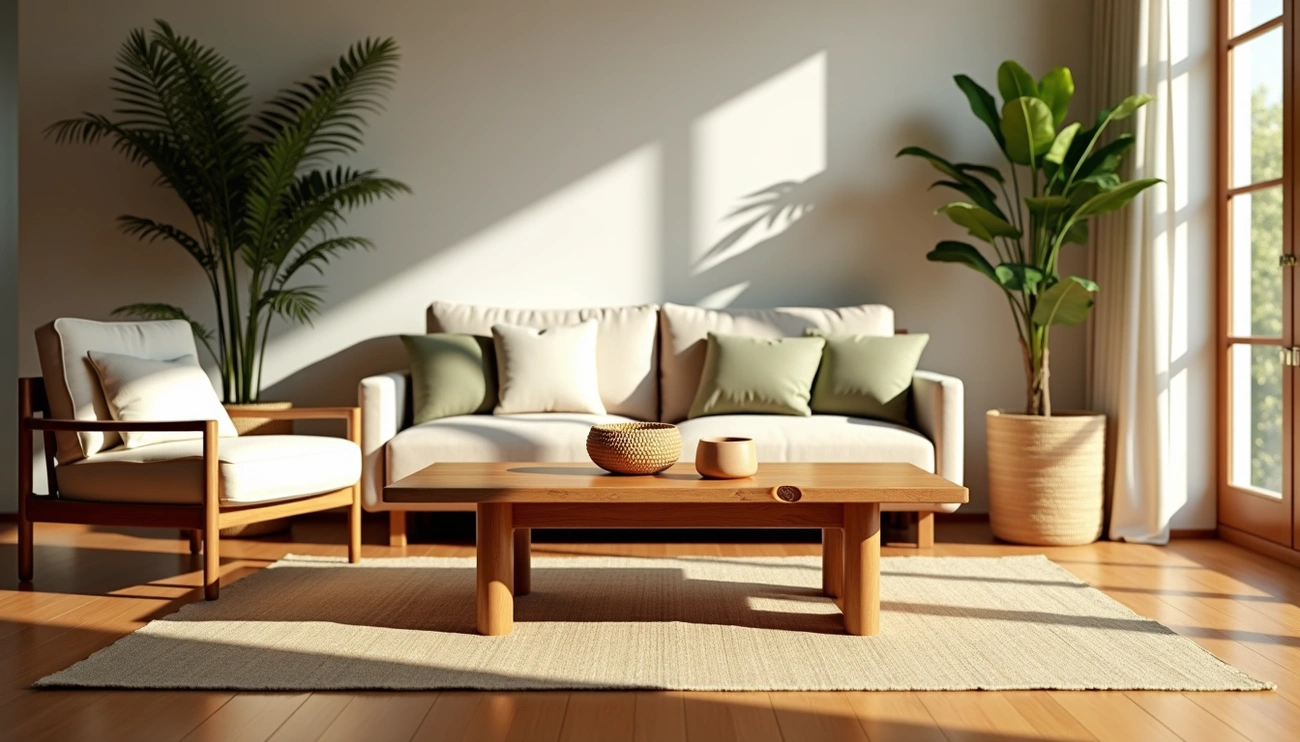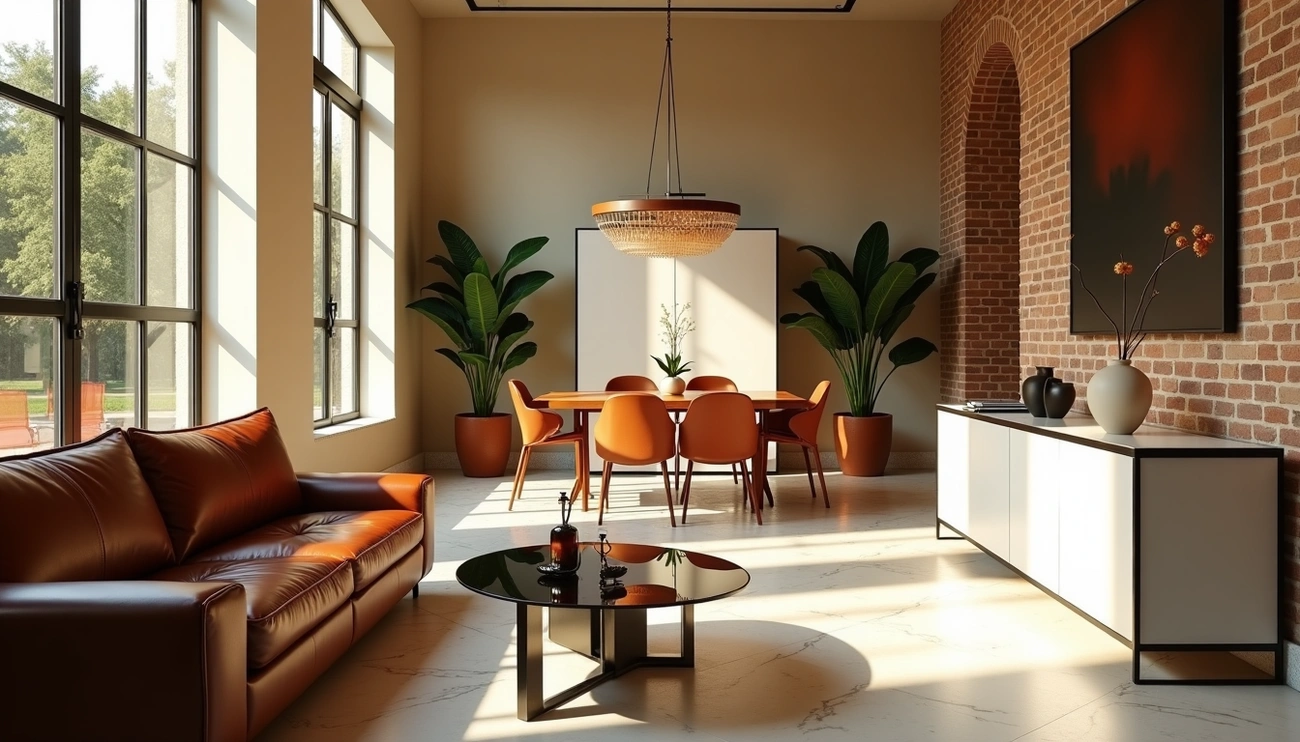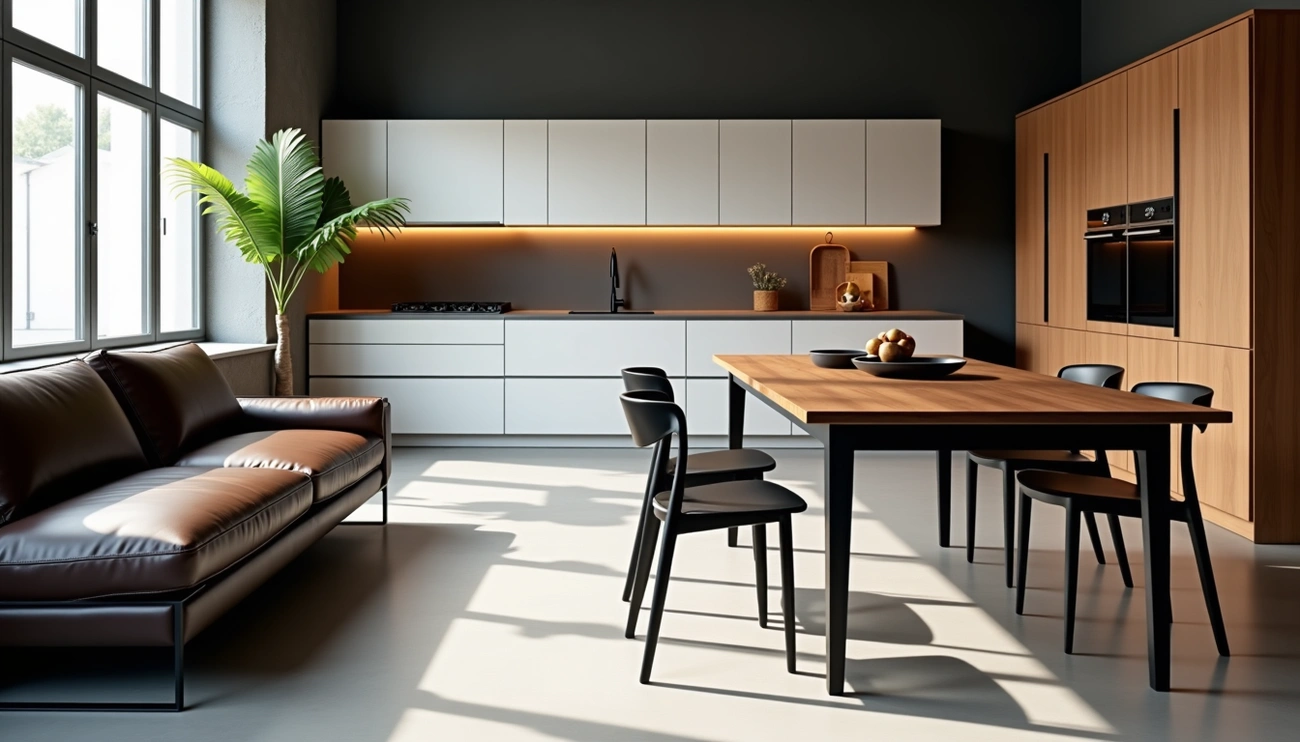
German furniture brands have become global standards for quality craftsmanship and innovative design. Germany delivers exceptional furniture with intriguing materials and attractive modern esthetics, going beyond their famous automobiles.
The country's furniture industry shows impressive strength. Leading manufacturer Sedus Stoll generates €191.2 million in revenue with 873 employees. KÖNIG + NEURATH and Interstuhl Büromöbel each bring in €161 million in annual sales. Some brands have remarkable staying power. Thonet, 204 years old, ranks among the world's oldest furniture manufacturers. Rauch has crafted elegant wardrobes since 1897.
Wiemann offers more than 200 bedroom furniture ranges, while Rolf Benz creates trailblazing modular sofa systems. German furniture companies excel in categories of all types. This piece looks at 17 top German furniture brands that represent the finest in European furniture design. Their histories, design philosophies, and standout products make them excellent choices for luxury interiors in 2026.
Wiemann
Wiemann stands as a cornerstone of German craftsmanship among german furniture brands. The company started in 1900 with 23-year-old Mathias Wiemann's small carpentry workshop in a 15 sq m basement of an inn in Oesede.
Wiemann brand history
This family business has grown into a remarkable enterprise over four generations. The company expanded in the 1910s and became "Oeseder Mobel-Industrie Mathias Wiemann" in 1934. The business bounced back after World War II despite devastating floods in 1946-47. Wiemann became one of Germany's top five bedroom furniture manufacturers by the 1980s. Markus Wiemann, the founder's great-grandson, took over the business in 2005 and leads the company into its 125th year.
Wiemann design philosophy
Wiemann, a leading european furniture brand, blends functionality with modern esthetics. The brand creates "stylish, versatile & modern" bedroom furniture that turns bedrooms into "havens of ordered tranquility". Their ISO 9001:2000 certification and German BQ quality mark approval prove their quality standards. The company uses precision engineering with 15/18mm thick MDF or high-grade chipboard panels. These panels come wrapped in premium printed foils that create ultra-realistic wood finishes.
Wiemann product highlights
The company excels in semi-fitted bedroom collections with both modern and traditional styles. Their portfolio includes nearly 200 ranges for European markets. Denver collection features distinctive decking-effect doors, while the award-winning Monaco offers clever corner units. Lagos showcases floor-to-ceiling handles with accented trims. Europe's number one overhead bridging unit belongs to the Luxor range.
Wiemann global reach
Wiemann creates 400-500 bedroom sets daily and ships them across Europe and beyond. The company sells its products in more than 25 countries. The UK and Ireland make up Wiemann's second-biggest export market, built through a 20-year partnership with Litmus.
Rauch
The life-blood of german furniture brands, Rauch transformed from humble beginnings into a manufacturing giant that defines modern bedroom design throughout Europe and beyond.
Rauch brand history
The company's story began in 1897 when 25-year-old Wendelin Rauch started a small carpentry business in Freudenberg, Baden-Württemberg. This german furniture company built an impressive legacy. Four generations of leadership steadily grew the family enterprise. Otto, the founder's son, joined in 1927. The third generation—Wendelin, Günther, and Heinz—became part of the business in 1950. Major growth came from acquiring Emil Grein furniture factory in 1934. The company bought a chipboard plant in Markt Bibart in 1958 to streamline their production. Rauch now stands as Europe's largest supplier of wardrobe and bedroom programs.
Rauch design philosophy
"Making living more beautiful & easier" drives the company's mission. Yes, it is sustainability that powers Rauch's operations. The company uses wood exclusively from regional, sustainably managed forests. Their production creates zero carbon dioxide emissions. A prime example shows in their eco-friendly chip incineration plant from 2006. This steadfast dedication earned Rauch the German Sustainability Award in 2014. Quality remains crucial—the company received the "Golden M" in 2009, Europe's most prestigious seal for furniture quality and safety.
Rauch product highlights
The company organizes its comprehensive portfolio through three customer-specific brands: rauch BLACK, rauch ORANGE, and rauch BLUE. Their product range includes:
Complete bedrooms and wardrobes
Individual beds and matching pieces
Studio and apartment furniture
The Montclair hinged door wardrobes showcase fashionable design elements with thin light-bordered mirror accents. The striking Abraxxas sliding door wardrobes and Luana program feature subtle lighting effects.
Rauch global reach
Rauch processes and manufactures about 3,500 orders daily and ships over 8 million furniture packs yearly to customers worldwide. The company's UK presence grew stronger after opening offices there in 2015. Their innovative Returnable Load Carrier system improved logistics by a lot, reducing unloading times by over 80% and cutting claims by more than 50%.
Dedon
Dedon reshaped the german furniture scene with its breakthrough approach to weatherproof design and handcrafted quality.
Dedon brand history
Bobby Dekeyser started Dedon in 1990 while recovering from a facial injury. The company initially sold hand-painted skis and raffia giraffes from Madagascar. Everything changed after Dekeyser created a breakthrough weatherproof synthetic fiber. He visited a furniture fair in Cologne in 1991 and found rattan furniture makers from Cebu Island, Philippines who had exceptional weaving skills. This partnership led to the creation of the first european furniture brand dedicated to outdoor living.
Dedon design philosophy
Dedon's identity stems from its steadfast dedication to mixing breakthroughs with artisanal craftsmanship. The company makes its revolutionary DEDON Fiber at state-of-the-art facilities in Northern Germany. This material withstands chlorine, salt water, and sun exposure. The fiber provides luxurious color, texture, and feel that outdoor materials never had before. Dedon's philosophy rests on practicality, functionality, and freedom to improve people's lives. The brand brought indoor comfort to exterior spaces with its "outdoor living room" concept.
Dedon product features
Dedon works with prominent designers to create unique collections. Notable pieces include:
The NestRest hanging lounger (2011)—a cocoon-like structure that birds' nests inspired became instantly popular
The KIDA swing by Stephen Burks has a lightweight aluminum frame wrapped in colorful weather-resistant fiber
The REAV sunshade shows minimalist design and smooth engineering
Jean-Marie Massaud's award-winning SEAX collection marked the brand's expansion beyond woven furniture in 2012.
Dedon global reach
Dedon runs an international business model from its German headquarters and Philippine production facilities. The company built its manufacturing center on Cebu Island in 2000, where 260 expert craftsmen create products daily. Dedon sells products in more than 80 countries across six continents through importers and distributors. This worldwide presence sets the company apart from other luxury german furniture brands. Dedon serves high-end projects globally and provides customization options for contract partners.
SieMatic
SieMatic ranks among elite german furniture brands with its precision engineering in kitchen design. The brand has nearly a century-old legacy of state-of-the-art premium kitchen spaces.
SieMatic brand history
August Siekmann started SieMatic's journey in 1929 by opening a kitchen furniture factory in Löhne, East Westphalia. The factory suffered heavy damage during World War II but resumed kitchen production by 1946. The company made history in 1960 when it revealed the world's first kitchen with integrated grip handles. This revolutionary handle-free kitchen concept transformed the industry. The concept proved so successful that the company made SieMatic both its brand and official name. The internationally successful Nison Group acquired SieMatic in 2020, after three generations of family leadership.
SieMatic design philosophy
SieMatic blends refined esthetics with exceptional functionality. The brand's style collections come in three distinct lines: PURE for minimalist designs, URBAN for modular asymmetrical concepts, and CLASSIC for timeless sophistication. SieMatic managed to keep a fresh view on trailblazing solutions. The brand's light strips enhance mood and recess channels add illumination.
SieMatic product highlights
The S2 generation shows SieMatic's dedication to ergonomic perfection through horizontal and vertical recess channels. The SLX model stands out with five different design awards. SecretSpace and SecretService features show clever storage solutions, while sliding doors create smooth transitions between rooms.
SieMatic global reach
SieMatic now delivers products to more than 70 countries. The brand has over 500 exclusive kitchen studios worldwide. North America remains a key market, with the USA being their second-largest customer base. The brand's prestige extends to Vatican City, where former Pope Benedict XVI chose a SieMatic kitchen for the Apostolic Palace.
Nolte Küchen
Nolte Küchen stands out among leading german furniture brands as a kitchen specialist that blends cutting-edge design with precise German manufacturing standards.
Nolte Küchen brand history
Nolte Küchen started in 1958 with just 60 employees in East Westphalia and grew to become Germany's second largest kitchen manufacturer. The company added a second production facility in Melle in 1974. The brand takes pride in its family ownership through generations and stays true to its core values of reliability and sustainability. The company expanded its offerings to include bathroom furniture under Nolte SPA in 2020.
Nolte Küchen design philosophy
The brand creates personalized kitchens that blend functional design with affordable prices. Matrix150, a revolutionary dimensional grid system, marked a significant milestone in kitchen furniture design. The company now features Matrix800, a unique grid dimension that combines 400mm high pull-outs with 200mm drawers to create both beautiful and practical spaces.
Nolte Küchen product highlights
The brand's breakthroughs include:
Anti-fingerprint surface technology across three product lines
Space-saving solutions perfect for student and micro-apartments
Matrix800, which works alongside Matrix750 and Matrix900 carcass heights
Nolte Küchen global reach
Nolte's 100,000 square meter facilities produce 880 kitchens each day. The brand ships to more than 60 countries with exports making up 36% of production. Nolte Küchen has found particular success in Asian and North American markets.
Walter Knoll
Walter Knoll stands among luxury german furniture brands with a heritage that goes back to 1865. This brand has shaped modern design for more than a century.
Walter Knoll brand history
Wilhelm Knoll started the brand's journey by opening a leather shop in Stuttgart. He quickly became known as "supplier to the royal court". His sons Willy and Walter stepped in to lead the business in 1907. They brought the first club armchair to Germany. Walter Knoll launched his own company in 1925. The company became the first to specialize in making Bauhaus-designed furniture. The 1920s saw Walter Knoll working with iconic architects. The company furnished all but one of Ludwig Mies van der Rohe's apartments at the groundbreaking 1927 Weißenhofsiedlung exhibition. The Benz furniture family bought the company in 1993 after generations of family ownership. Markus Benz has led the company since then.
Walter Knoll design philosophy
Bauhaus and modernist principles shape the company's core design approach. Walter Knoll's designs focus on simplicity, ergonomics, and premium materials. Clean lines, muted tones, and refined silhouettes create the brand's minimalist elegance. CEO Markus Benz explains, "We want to add something new to a category with every product, it shouldn't just be another chair or table, but always something special of its kind". The brand's core values include naturalness, elegance, timelessness, and sensuality—drawing inspiration from nature.
Walter Knoll product highlights
The lightweight Prodomo armchairs from the 1920s marked a milestone in furniture history. These pieces became the first modern upholstered furniture. The Berlin Chair brought more recognition to the company in 1975. Architect Meinhard von Gerkan created it for Berlin's Tegel Airport VIP lounge. The FK Chair shows the brand's versatility since 1969. This piece works perfectly in homes and offices alike. Today's collections show careful attention to detail. The Black Edition showcases this perfectly with seven timeless classics that feature matt black powder-coated steel and smooth black leather.
Walter Knoll global reach
The company runs its headquarters in Herrenberg and produces in Mötzingen, Baden-Württemberg. Walter Knoll serves the high-end market worldwide. The company grew internationally by launching Walter Knoll Australia in 2007. Walter Knoll's furniture now graces prestigious architectural projects worldwide—from luxury hotels to corporate headquarters. The brand's excellence shows in its awards. They've won more than ninety design competitions over fifteen years.
Balthaup
Balthaup represents sophisticated german furniture engineering through premium kitchen systems that blend functionality with minimalist esthetics to achieve culinary excellence.
Balthaup brand history
Martin Bulthaup started this company as a furniture factory in post-war Germany in 1949. The company began by producing kitchen sideboards made from exceptional materials. The company went through significant changes when Gerd Bulthaup took leadership in 1979. His work with designer Otl Aicher in 1980 changed kitchen spaces forever by applying Bauhaus principles. The founder's grandson, Marc O. Eckert, has led the company since 2010. The business remains independent and family-owned.
Balthaup design philosophy
The company's growth reflects its commitment to the Bauhaus principle "form follows function". Balthaup creates kitchens that focus on essential elements rather than decorative excess. The brand sees kitchens as more than workspaces—they are hubs where people connect. Clean lines, authentic materials, and thoughtful functionality that adapts to modern lifestyles bring this philosophy to life.
Balthaup product highlights
Three distinctive kitchen systems make up Balthaup's core offerings: b3, b2, and b1. The b3 system came to market in 2004. It features floating elements, floor-standing units, and endless configuration options. The b2 works as a kitchen "workshop" that combines workbench, tool cabinet, and appliance cabinet. The b Solitaire elements launched in 2017 now extend beyond kitchens into other living spaces.
Balthaup global reach
The german furniture company now earns €103.8 million in revenue as of 2023. Exports make up 83% of their business. The company has 250 partner stores worldwide in more than 70 countries. The Madison Group brought the luxury german furniture brand to Asia through Hong Kong in 1996. They later expanded into Shanghai, Macau, and Southeast Asia.
Rolf Benz
Rolf Benz stands as a premier german furniture brand that has crafted sophisticated seating solutions since 1964. The company's reputation comes from its exceptional upholstered masterpieces.
Rolf Benz brand history
Upholsterer Rolf Benz started the company in Nagold to redesign seating furniture. The groundbreaking Addiform collection in 1964 changed traditional furniture arrangements with flexible, modular elements. The company grew steadily and made its debut at the Cologne Furniture Fair in 1971. Production capacity expanded in Mötzingen. The company marked its 60th anniversary in 2024 with the SINA sofa that pays tribute to the original Addiform.
Rolf Benz design philosophy
The brand's core principle centers on "Human-Loving Design" that lets customers personalize their furniture. Traditional craftsmanship works alongside innovative technology. Quality materials and strict standards define their work. This commitment earned them the official "Furniture Made in Germany" certification among the first manufacturers in 2020. Their goal extends beyond beautiful furniture—they create pieces that "make life more beautiful".
Rolf Benz product highlights
The brand's collection includes:
Luxurious individual and modular sofa ranges
Upholstered chairs and armchairs
Tables complementing their seating collections
Signature designs feature the DONO model from the 2000s, known for its weightlessness and sobriety. The award-winning Rolf Benz 562 club chair also stands out in their collection.
Rolf Benz global reach
The brand serves more than 50 countries worldwide. It partners with 300 German retailers and 250 international dealers. Exports make up 50% of total sales. Dedicated Rolf Benz Haus locations now operate in Hamburg, Frankfurt, and Leipzig.
Zeitraum
Zeitraum emerged as a pioneer in ecological german furniture back in 1990. The company started in the Bavarian Alpine Upland and became Germany's first manufacturer to blend ecology with design.
Zeitraum brand history
The rich woodworking regions of southern Germany shaped Zeitraum's 33-year old legacy. Founder Birgit Gämmerler and CEO Peter Gaebelein turned their Alpine heritage into elegant, minimalist design pieces. Their family business grew steadily with a steadfast dedication to sustainability.
Zeitraum design philosophy
The company creates furniture that respects nature and boosts everyday living. Sustainability isn't just a marketing trend but the core of their corporate philosophy. They select hardwoods only from sustainable forests and use organic oils instead of chemical treatments. This approach keeps the wood's natural breathing ability intact.
Zeitraum product highlights
Zeitraum's collection features over 90 products. They cooperate with international designers like Formstelle, Kaschkasch, and Lorenz+Kaz. The SIT Webbing chair and AEON stool showcase their creative yet sustainable approach. Their Alpenraum Collection gives regional classics a modern twist while staying true to Alpine traditions.
Zeitraum global reach
Zeitraum serves both individual clients and the contract sector worldwide. They bring interior designs to life in sophisticated projects throughout Germany and beyond. Their custom work includes solid ash tables at Austria's Haberkorn Canteen and unique furniture pieces at New York's Genesis House.
Thonet
Thonet stands as the world's 204-year old furniture manufacturer that transformed furniture germany production through groundbreaking bentwood designs.
Thonet brand history
Michael Thonet (1796-1871), a German-born cabinetmaker in Boppard am Rhein, started the company in 1819. The business focused on traditional joinery at first. Financial challenges led Thonet to move to Vienna around 1842. Austrian statesman Prince Metternich became his patron and supported his career. The Thonet family launched their official business, Gebrüder Thonet, in 1853. Thonet mastered his revolutionary technique of bending solid wood with steam during these years.
Thonet design philosophy
Simplicity and modularity shaped Thonet's core vision. Their fundamental approach used minimal components to create multiple chair models. This smart modular system let them ship furniture in compact packages - a single cubic meter box could hold 36 chairs. The steam-bending technique, which Thonet perfected in 1855, made mass production possible in ways traditional woodworking couldn't achieve.
Thonet product highlights
The No. 14 chair (now called 214) emerged as their signature piece in 1859. Sales reached an impressive milestone of 50 million units by 1930. This revolutionary design used just six wooden pieces, ten screws, and two nuts to transform furniture manufacturing.
Thonet global reach
Production soared to 1.8 million pieces yearly by 1912. The company built factories in resource-rich locations like Moravia, which had abundant beech wood supplies. Today, Thonet operates from Frankenberg/Eder, Germany, producing both classic bentwood pieces and innovative tubular steel furniture.
COR
Luxury German furniture brands have a beating heart in COR—Latin for "heart". The company has crafted premium upholstered furniture since Helmut Lübke and the Prince of Bentheim-Tecklenburg established it in 1954 in Rheda-Wiedenbrück.
COR brand history
The Lübke family became the sole owners after their royal co-founder left in the 1980s. The company has managed to keep its commitment to German craftsmanship through its nearly seven-decade trip. Helmut Lübke led the company until 1994 before his son Leo took over the leadership. This family enterprise continues to honor its heritage of meticulous furniture production.
COR design philosophy
COR places timeless design above temporary fashions. The company works on a principle that mirrors symbiosis—combining individual elements creates something greater than their sum. Notwithstanding that, environmental responsibility guides their approach. The company achieved climate-neutral certification in 2020 through emissions offsetting.
COR product highlights
Friedrich Wilhelm Möller's iconic Conseta sofa system from 1964 shows COR's enduring influence. The original design struggled at first but later became an international bestseller with over 875,000 elements sold worldwide. The Sinus easy chair (1976) also demonstrates their timeless approach.
COR global reach
The company operates exclusively from Germany and has earned over 60 awards that recognize outstanding design and business performance. Their upholstered products proudly carry Blue Angel and Greenguard Gold certifications.
Brühl
Brühl stands out as an environmentally conscious german furniture company that seamlessly combines expert craftsmanship with ecological responsibility through its high-quality designer seating.
Brühl brand history
The 75-year old family enterprise started in Bad Steben, Upper Franconia, with a focus on exceptional upholstered furniture. The company expanded its vision beyond craftsmanship to embrace ecological principles about 30 years ago. Roland Meyer-Brühl leads the business today, while Creative Director Kati Meyer-Brühl's award-winning designs have got international acclaim.
Brühl design philosophy
Sustainability serves as the life-blood of Brühl's corporate identity. Premium-quality materials, sourced locally whenever possible, fill their facilities built on biological principles. The company's manufacturing processes save energy and run completely on renewable electricity. Brühl creates furniture that lasts decades with timeless designs that stay relevant beyond passing trends.
Brühl product highlights
The brand's collection includes distinctive designer seating from sofas and armchairs to chairs. The sustainably produced "mosspink" sofa and the adaptable "roro" series that adapts to different sitting and lounging positions stand out in their lineup. Brühl's pieces feature removable, renewable covers that add flexibility and extend their lifespan.
Brühl global reach
Brühl's commitment to environment earned them prestigious certifications, making them Germany's first furniture manufacturer to receive the "Blue Angel" eco-label in 2009. The company managed to keep its reputation for ecological responsibility and ended up achieving carbon-neutral status in 2017. Their luxury german furniture brands reach extends worldwide through thoughtfully designed pieces that balance functional breakthroughs with environmental awareness.
KOINOR
KOINOR stands among Europe's most successful german furniture brands, known for its exceptional upholstered furniture that blends comfort with timeless design.
KOINOR brand history
Horst Mueller laid KOINOR's foundation in August 1953 by registering the company in Michelau, a small town in Upper Franconia. This 65-year-old enterprise has grown into a powerhouse. The manufacturer now runs four production facilities that cover 50,000 square meters. Germany remains KOINOR's home base, where 450 dedicated team members drive the company's success.
KOINOR design philosophy
The german furniture company takes pride in its steadfast dedication to perfection. Expert craftsmanship sets KOINOR apart - artisans hand-stitch every seam and carefully cut each leather piece before precise assembly. The creative heart of KOINOR beats in its 30-member development department. Designers, drafters, and experienced prototype builders work together to create furniture that speaks different design languages - from austere to playful, modern to classic .
KOINOR product highlights
This furniture germany specialist crafts over 600 sofas and armchairs each day. Their annual production uses 600,000 square meters of leather and 200,000 square meters of fabrics and microfiber to create premium pieces. Each piece tells its own story - custom-made for specific orders and delivered right when needed. The OMEGA series stands out as their signature collection - "a real chameleon" that adapts to its owner's style and space.
KOINOR global reach
KOINOR has built strong partnerships with traders in major markets worldwide. Local agencies help customers find nearby KOINOR dealers and provide support. Select countries have exclusive distribution agreements with single partners. This approach ensures that german made furniture maintains its premium status in international markets.
Himolla
Himolla has become skilled at creating relaxing furniture and grown into one of Europe's largest german furniture brands. Their premium upholstered seating combines comfort with functionality.
Himolla brand history
A small workshop in Taufkirchen started this success story in 1948. The business has grown into a manufacturing powerhouse over seven decades. The brand name combines three words - "Heavenly, Cozy and Pleasant" - which reflect their mission perfectly. Their consistent growth led them to become one of Europe's largest upholstered furniture manufacturers by the 1990s. The company has got many awards, including the 2023 German Design Award for its S-LOUNGER armchair.
Himolla design philosophy
"Form follows function" is the life-blood of Himolla's approach, a 75-year old principle. Their ergonomic designs focus on relaxation and well-being. Quality testing happens rigorously in what employees lovingly call the "Folterkammer" (torture chamber). Environmental responsibility matters deeply to Himolla. The company signed the Bavarian Environmental Pact in 2000.
Himolla product features
The production facilities create about 1,600 pieces of upholstered german made furniture each day. Their extensive collection gives customers many customization choices:
Sizes that fit different body types
Headrests, footrests, and reclining mechanisms that adjust to your needs
Manual and electric-powered functionality options
Himolla global reach
The company's 83,000 square meter production space serves over 40 countries worldwide. The operation runs smoothly with 3,500 dedicated employees. Furniture lovers can find Himolla products in dedicated showrooms and partner retailers across Europe, North America, and Asia.
Bretz
Unlike typical german furniture brands, Bretz challenges traditional esthetics with bold maximalist designs and vibrant colors that change living spaces into artistic expressions.
Bretz brand history
Johann Bretz started a mattress factory in Gensingen, Rhine-Hesse back in 1895, and the brand has flourished through five generations. The family rebuilt their business from scratch after World War II completely destroyed it. The brand evolved dramatically from mass furniture production to become a high-end manufacturer of distinctive upholstered pieces. Brothers Hartmut and Norbert Bretz made their boldest move in 1992 by redefining the company's direction with vibrant designs. The legacy continues today as Carolin Kutzera works with her uncle Norbert Bretz in management since 2018.
Bretz design philosophy
Bretz's core strength lies in combining adventure and freedom with safety and security. The company's "True Characters" approach creates expansive, comfortable designs that often take unorthodox shapes wrapped in colorful velvet. Traditional craftsmanship, durable materials, and maximum comfort are the three fundamental qualities Bretz values most. These values show up in their handmade originals that stand apart from trends or cold minimalism.
Bretz product highlights
The award-winning Balaao sofa stands out with its distinctive bulbous stitching, drawing inspiration from the Portuguese word for balloon. Designer Pauline Junglas created the sculptural Poolside sofa with voluminous upholstery that looks like stacked swim tires. The brand's excellence earned them many accolades, including the German Brand Award Gold in 2017.
Bretz global reach
The brand's German headquarters oversees seven branded stores in Hamburg, Berlin, Dortmund, Düsseldorf, Cologne, Frankfurt, and Stuttgart. Partner-operated stores represent Bretz worldwide. The brand's unique character commands premium prices, with pieces costing between $4,453 and $19,147.
Domicil
Domicil stands among the finest luxury German furniture brands with its lifestyle-focused vision that turns living spaces into custom-made havens.
Domicil brand history
Three creative minds—Brigitta Jaeggle, Armin Eberlein, and Hans Dahme—started Domicil's story in 1978. They shared a vision to create unique lifestyle products that reflected individual dreams. The brand's first store opened its doors in Weingarten, Germany. The company grew steadily and by 1989, it achieved its dream of creating inspiring homes through complete furnishing solutions. The brand ranked 19th among Germany's top 30 luxury names in 2005. That same year, HTL International Holdings Limited ended up acquiring the company.
Domicil design philosophy
Domicil creates more than just products—it delivers "a slice of life". The company works with leading international designers and finds inspiration in life's changing seasons, moods, and various colors. Each design captures the brand's essential promise of beauty, functionality, and reliability, showcasing its German roots. The furniture blends precise German craftsmanship with worldwide lifestyle elements.
Domicil product highlights
Premium upholstery defines the brand's expertise. We focused on refined leather sofas and lounges that combine elegant looks with practical use. Modern Domicil pieces feature smart additions like reclining mechanisms, adjustable headrests, and modular designs that suit today's living needs. Skilled craftsmen carefully handcraft each piece using select materials.
Domicil global reach
Today, Domicil runs more than 200 retail locations in 18 countries. The brand has built a strong presence in Asia Pacific, especially in Australia, China, Japan, South Korea, and Singapore. This worldwide network helps deliver distinctive German-engineered furniture to quality-conscious buyers across the globe.
Hülsta
The story of Hülsta began in 1940 as a small cabinetmaker's workshop in Stadtlohn, North Rhine-Westphalia. The company grew to become one of the most recognizable german furniture brands. The brand's name comes from founder Alois Hüls and the company's location. Hülsta stayed true to its family-owned roots as it grew from making wooden boxes to becoming a premium furniture manufacturer.
Hülsta brand history
Karl Hüls joined his father's company in 1953 and specialized in bedroom furniture. The company registered the Hülsta brand name in 1959 at the Munich Patent Office in 1961. Karl Hüls took leadership in 1960 and launched groundbreaking products like the "Allwand" living room range—the first to feature an endless add-on principle with varying front heights. The company ended up filing for insolvency in 2024 and stopped operations on June 1st.
Hülsta design philosophy
Quality craftsmanship was at Hülsta's core, with strict guidelines for solid wood selection. The german furniture company created timelessly beautiful shapes and durable products. Their approach blended quality, personality, and responsibility to create distinctive Hülsta pieces.
Hülsta product highlights
The brand created flexible furniture solutions for different living spaces:
Bedroom furniture including beds and wardrobes
Living room pieces from sofas to TV furniture
Dining and office collections
Hülsta global reach
Hülsta employed 1,250 people and made all its furniture in Germany while selling german made furniture worldwide. The brand's international showrooms could be found in London, Moscow, Shanghai, and Dubai.
Comparison Table
Brand | Year Founded | Main Specialty | Manufacturing Location | Notable Features | Current Status |
Wiemann | 1900 | Bedroom Furniture | Germany | 200+ bedroom ranges, ISO 9001:2000 certified | Active |
Rauch | 1897 | Wardrobes & Bedroom | Germany | CO2-neutral production, German Sustainability Award 2014 | Active |
Dedon | 1990 | Outdoor Furniture | Germany & Philippines | Patented weatherproof synthetic fiber | Active |
SieMatic | 1929 | Kitchen Systems | Germany | First handle-free kitchen (1960) | Active |
Nolte Küchen | 1958 | Kitchen Furniture | Germany | 880 kitchens daily production | Active |
Walter Knoll | 1865 | Seating & Upholstery | Germany | First club armchair in Germany | Active |
Balthaup | 1949 | Kitchen Systems | Germany | Three distinctive kitchen systems (b1, b2, b3) | Active |
Rolf Benz | 1964 | Upholstered Furniture | Germany | "Furniture Made in Germany" certified | Active |
Zeitraum | 1990 | Ecological Furniture | Germany | Sustainable hardwood focus | Active |
Thonet | 1819 | Bentwood Furniture | Germany | Oldest furniture manufacturer globally | Active |
COR | 1954 | Upholstered Furniture | Germany | Climate-neutral certified (2020) | Active |
Brühl | 1948 | Designer Seating | Germany | First German "Blue Angel" eco-label (2009) | Active |
KOINOR | 1953 | Upholstered Furniture | Germany | 600 sofas/armchairs daily production | Active |
Himolla | 1948 | Upholstered Seating | Germany | 1,600 items daily production | Active |
Bretz | 1895 | Upholstered Furniture | Germany | Maximalist design approach | Active |
Domicil | 1978 | Leather Furniture | Germany | 200+ retail points in 18 countries | Active |
Hülsta | 1940 | Cabinet & Storage | Germany | Filed for insolvency in 2024 | Ceased Operations |
Conclusion
German furniture brands lead the global market, and with good reason too. Expert craftsmanship is the life-blood of their success. Many manufacturers like Thonet and Rauch have preserved their legacy for generations. These companies blend time-tested techniques with state-of-the-art methods to create unique pieces that exceed passing trends.
Green practices set these distinguished brands apart. Companies like Zeitraum, Brühl, and Rauch put environmental responsibility first. They focus on sustainable sourcing, carbon-neutral production, and designs built to last. This isn't just clever marketing - it's the foundation of their manufacturing philosophy.
German furniture manufacturers' diversity stands out in the industry. Wiemann has mastered bedroom solutions, while SieMatic and Nolte Küchen excel at kitchen systems. Walter Knoll and Rolf Benz create elegant seating options. Dedon breaks new ground in outdoor furniture with groundbreaking materials. Each brand's specialty focus helps them perfect their craft instead of making generic products.
Most of these prestigious companies remain family-owned. This helps them keep their quality standards high and vision clear without giving in to market pressures. So, German furniture becomes an investment rather than a throwaway purchase. Each piece reflects German design's perfect balance of function and beauty.
Looking for a perfectly crafted Thonet bentwood chair? Maybe a green Zeitraum dining table or an elegant Walter Knoll sofa? These 17 German furniture brands are a great way to get quality pieces that combine sustainability and timeless design. Their growing global success proves that excellence in furniture craftsmanship still matters in today's throwaway culture.
Explore these brands in our directory
See full profiles — headquarters, founding year, notable designs and FAQs — for brands featured in this guide: Thonet, Wilkhahn, Interstuhl, Wästberg, USM, Vitra.
Related guides
Continue reading: 21 Classic Italian Furniture Brands and 17 Classic Scandinavian Furniture Brands.